
Get Rubber Roof Installation in Tulsa, OK
Local contractors in Tulsa, OK, can install rubber roofs to fix leaks, improve durability, and handle projects like flat roofs for commercial buildings or residential garages.
Property owners in Tulsa, OK considering roof upgrades or repairs often explore options that provide durability and long-term performance. Rubber roof installation is a practical choice for those seeking a reliable, weather-resistant surface that can withstand the region’s diverse climate conditions. Whether updating an existing roof or installing a new one, understanding the benefits of rubber roofing can help in planning a project that enhances the property's value and functionality. Local contractors experienced in rubber roof installation can offer valuable insights to ensure the work aligns with specific needs and property requirements.
Comparing local service providers can help property owners find the right fit for their roofing projects. Many local contractors in Tulsa, OK specialize in rubber roof installation, providing options suited for various building types and budgets. Taking the time to evaluate different companies can lead to a well-informed decision, ensuring the chosen professionals have the expertise to deliver quality results. Continuing to explore your options can help you plan a successful project that meets your property’s unique demands.
- Commercial buildings - businesses in need of durable roofing solutions to protect assets and equipment.
- Residential homes - homeowners seeking reliable roof systems to ensure long-term protection for their property.
- Industrial facilities - factories and warehouses requiring robust roofing to withstand heavy use and environmental exposure.
- Apartment complexes - property managers looking for effective roofing options to maintain tenant safety and building integrity.
- Storage units - operators needing weather-resistant roofs to safeguard stored items from the elements.
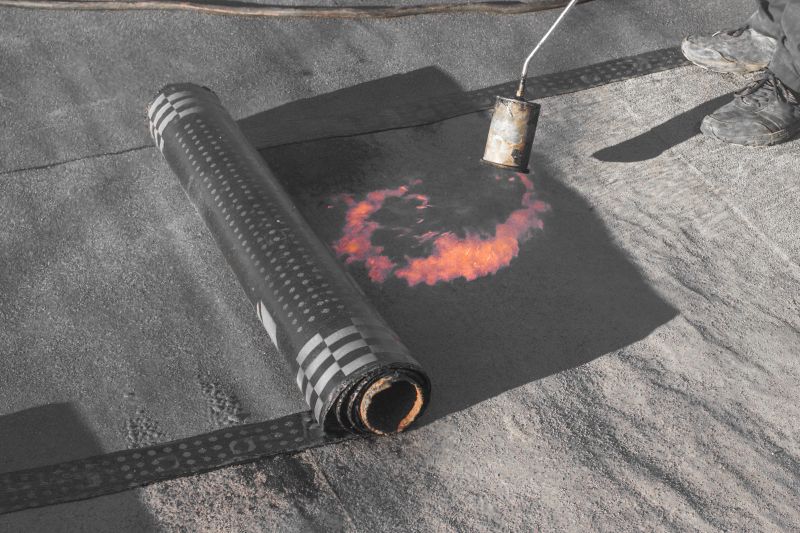
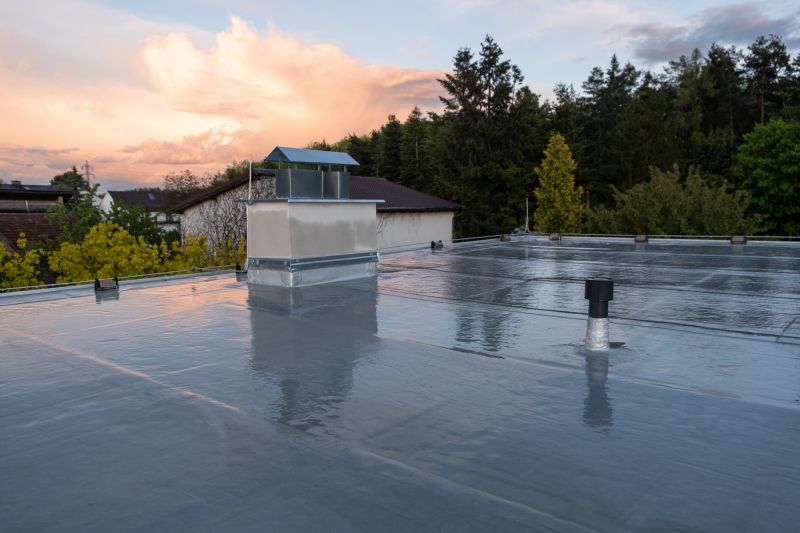
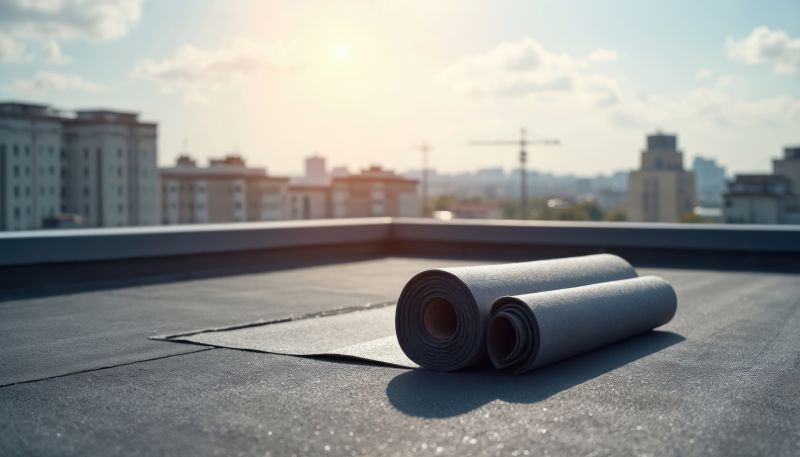
Rubber roof installation services involve applying a flexible, durable membrane made from synthetic rubber, such as EPDM, to the roof surface. This process typically includes preparing the existing roof surface, installing the rubber membrane with proper sealing techniques, and ensuring the entire area is watertight. The goal is to create a seamless, weather-resistant barrier that protects the building from leaks, moisture intrusion, and other environmental elements. Professional contractors use specialized tools and materials to ensure the rubber membrane is securely attached and properly sealed around edges, vents, and other roof penetrations.
This type of roofing service is especially effective in addressing common problems like leaks, ponding water, and roof deterioration caused by age or weather exposure. Rubber roofs are known for their resilience against harsh conditions, including heavy rain, snow, and temperature fluctuations. Installing a rubber roof can help prevent water damage to the interior, mold growth, and structural issues that often arise from compromised roofing materials. For property owners experiencing frequent leaks or noticing signs of wear on their current roof, a rubber roof installation can be a practical solution to extend the lifespan and improve the protection of the building.
Rubber roof installation is suitable for a variety of property types, including residential homes, especially those with flat or low-slope roofs. It is also commonly used on commercial buildings, such as warehouses, retail stores, and office complexes, where a durable, low-maintenance roofing solution is needed. Many property owners choose rubber roofing for its affordability, ease of installation, and long-term performance. Whether for a single-family residence or a larger commercial structure, local contractors can evaluate the specific needs of each property to recommend the best rubber roofing options.
Homeowners and property managers often turn to rubber roof installation services when their existing roof shows signs of aging, leaks, or extensive damage. It is also a suitable choice for new construction projects where a resilient, weatherproof roofing system is desired from the start. By working with experienced local service providers, property owners can find the right rubber roofing solution tailored to their building’s size, shape, and environmental conditions. This service can help protect the property’s value and integrity while providing a reliable, long-lasting roofing option.
The overview below groups typical Rubber Roof Installation projects into broad ranges so you can see how smaller, mid-sized, and larger jobs often compare in Tulsa, OK.
In many markets, a large share of routine jobs stays in the lower and middle ranges, while only a smaller percentage of projects moves into the highest bands when the work is more complex or site conditions are harder than average.
Smaller Repairs - Typical costs for minor rubber roof repairs in Tulsa range from $250-$600. Most routine patching and small leaks fall within this range, though prices can vary based on roof size and repair complexity.
Partial Roof Replacement - Replacing sections of a rubber roof usually costs between $1,500-$4,000. Many projects of this size stay within the middle of this range, while larger or more intricate areas can push costs higher.
Full Roof Replacement - Complete rubber roof installations in Tulsa generally fall between $5,000-$12,000. Larger, more complex projects, such as those on commercial buildings, can exceed this range, though most fall in the lower to mid-tier prices.
Large or Commercial Projects - Extensive rubber roofing jobs for commercial or multi-story buildings can range from $15,000 to $50,000+ depending on size and scope. These projects are less common but represent the upper end of typical costs for significant installations.
Actual totals will depend on details like access to the work area, the scope of the project, and the materials selected, so use these as general starting points rather than exact figures.
Flat Roof Replacement - local contractors experienced in flat roof replacement utilize similar skills and tools as those needed for rubber roof installation, ensuring proper surface preparation and seamless waterproofing.
EPDM Roofing Projects - service providers familiar with EPDM roofing systems often handle rubber roofing jobs, sharing techniques for membrane installation and weatherproofing methods.
Commercial Roofing Repairs - many commercial roofing repair projects involve membrane-based systems like rubber roofs, requiring expertise in surface assessment and patching techniques.
Roof Coating Applications - applying reflective or protective roof coatings shares planning and surface prep skills with rubber roof installation, often handled by the same local contractors.
TPO Roofing Installation - TPO roofing projects involve similar membrane installation processes as rubber roofs, making the same service providers capable of handling both.
Deck Waterproofing - waterproofing decks with membrane systems requires skills in surface preparation and sealing, paralleling the work involved in rubber roof installation services.
When evaluating contractors for rubber roof installation, it’s important to consider their experience with similar projects in the Tulsa area. Homeowners should inquire about how many rubber roofing jobs they have completed and whether they are familiar with the specific requirements and challenges of roofing in this region. A contractor with a proven track record of handling projects comparable in size and scope can offer insights into potential issues and solutions, helping to ensure the work is completed effectively and efficiently.
Clear, written expectations are essential for a successful roofing project. Homeowners should seek service providers who can provide detailed proposals outlining the scope of work, materials to be used, and the steps involved in the installation process. Having this information in writing helps prevent misunderstandings and sets a transparent foundation for the project. It’s also beneficial to ask about warranties or guarantees offered, as these can provide added confidence in the quality of the work and the durability of the roof.
Reputable references and strong communication are key indicators of a trustworthy contractor. Homeowners should ask for contacts of previous clients who had similar rubber roofing work done and follow up to learn about their experiences. Good communication from the service provider, including timely responses and clarity in answering questions, helps build trust and ensures that expectations are aligned throughout the project. The site helps connect homeowners with local contractors who are known for their experience, professionalism, and ability to communicate effectively, making it easier to find a qualified partner for the roofing needs.
Property owners in Tulsa, OK use Rubber Roof Installation services for practical projects around their homes and businesses. This guide focuses on everyday jobs and straightforward project options.
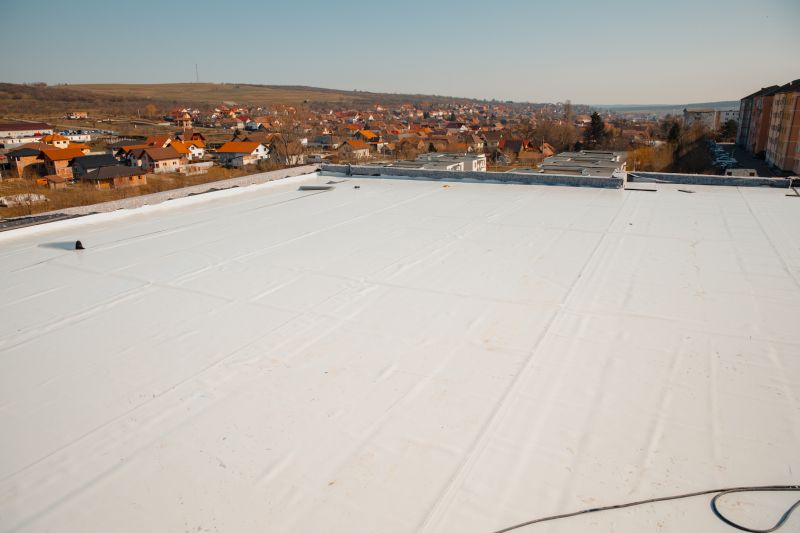
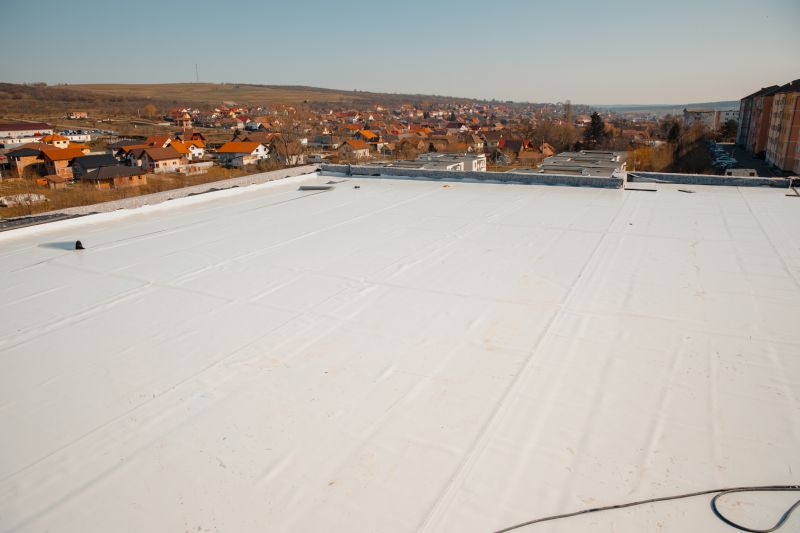
Rubber roof installation is a common project for property owners in Tulsa, OK, especially for those with aging or damaged roofs. Homeowners and business owners might seek out local contractors when their existing roof shows signs of wear, such as leaks, cracks, or curling edges, which can lead to water infiltration and further damage. Additionally, property owners planning to upgrade or replace their current roofing system often turn to local service providers to ensure a durable, weather-resistant solution that can withstand the region’s varying climate conditions.
Many property owners consider rubber roof installation to improve energy efficiency or to address issues related to roof longevity. Whether managing the aftermath of severe weather events, like storms or hail, or simply preparing for the upcoming seasons, local contractors can assist with the installation process. They offer options that help protect buildings from the elements, reduce maintenance needs, and enhance overall property value, making it easier for Tulsa residents to find the right professionals for their roofing needs.
What is a rubber roof installation? Rubber roof installation involves applying a durable, waterproof membrane made of rubber or synthetic materials to protect a building’s roof from weather damage and leaks.
Are rubber roofs suitable for residential properties? Yes, rubber roofs are often used on residential buildings due to their longevity, flexibility, and ability to withstand harsh weather conditions.
What should I consider when choosing a contractor for rubber roof installation? It’s important to select local contractors with experience in rubber roofing, who can assess your property’s needs and recommend appropriate solutions.
Can rubber roofs be installed over existing roofing materials? In many cases, rubber roofing can be installed over existing roofs, but a professional assessment is recommended to determine compatibility and proper installation methods.
What maintenance is required for a rubber roof after installation? Rubber roofs typically require minimal maintenance, such as regular inspections for damage and cleaning to remove debris, to ensure their longevity and performance.
Protecting a property’s interior from water damage - local contractors can install a durable rubber roof to prevent leaks during heavy rain or storms.
Upgrading an aging roof - property owners can replace worn or damaged roofing with a reliable rubber membrane to extend the roof’s lifespan.
Preparing for seasonal weather changes - local service providers can install a weather-resistant roof to help withstand temperature fluctuations and storms.
Improving energy efficiency - property owners can consider rubber roofing options that help with insulation and reduce energy costs.
If you are thinking about Rubber Roof Installation for a property in Tulsa, OK, this guide is meant to help you understand the work, the typical project types, and how different options might fit your plans.
When you are ready, you can use the quote form on this page to share a few details about your project. From there, local pros can review the basics and respond with options that match what you have in mind.